A View Into A Medieval Garden: Herbs
Many medieval castles had their own garden in which grew a wide variety of plants and trees. Such gardens were designed and tended meticulously with great attention to detail. As such, a medieval garden yielded the most wonderful array of quality produce, all of which was destined for consumption and use by the lucky inhabitants of the castle and often their guests.
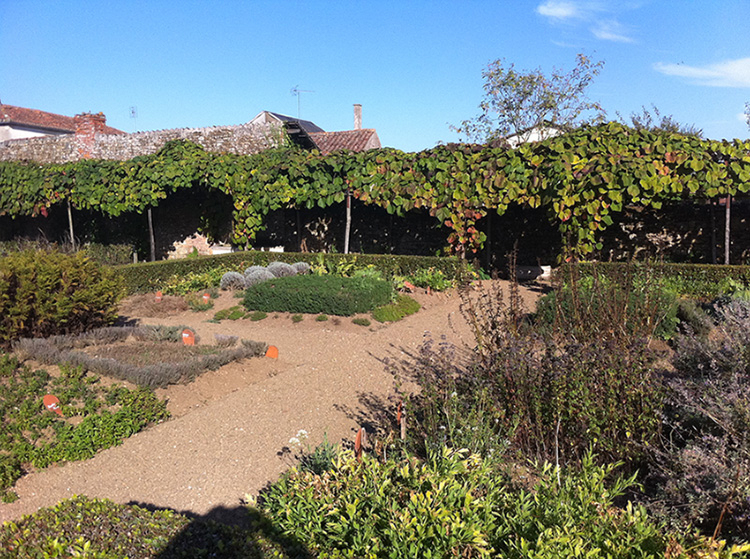 |
| Beautifully designed medieval garden |
Fruit and vegetables readily found their way into the medieval castle kitchen where they featured in many medieval recipes - some simple and some quite exotic ones! Pears stewed in red wine and spices was a good example of the latter. Apart from pears there were apples, quince and berry fruits.
 |
| Blackberries |
Flowers were cultivated for a variety of uses in the castle. Some for decoration, some for consumption as part of a medieval salad and some for medicinal purposes.
The most abundant 'crop' in a medieval garden was usually herbs and that was because of the many, many ways in which medieval people used herbs. This is what we take a look at next.
Medieval Herbs
Herbs were amongst the most important plants in a medieval castle garden and were prized either for their taste or their medicinal properties.
A typical, well planted medieval garden contained an incredible variety of herbs, most of which are still popular today. The difference back in medieval times, especially medieval England and France, was that herbs were used to a greater extent and many people had a good general knowledge of herbs and how best to use them.
Let's take a look at some medieval herbs which were popular for their medicinal uses, starting with one that many people many have never even heard of!
Agrimony
Used in medieval times for the treatment of stomach problems
 |
| Agrimony in flower |
Medieval herbs with names that are a little more familiar to people today:
Angelica
Medieval use: For the digestive system
Borage
Medieval use: For the stomach and chest
Dittany
Medieval use: Good for poultices
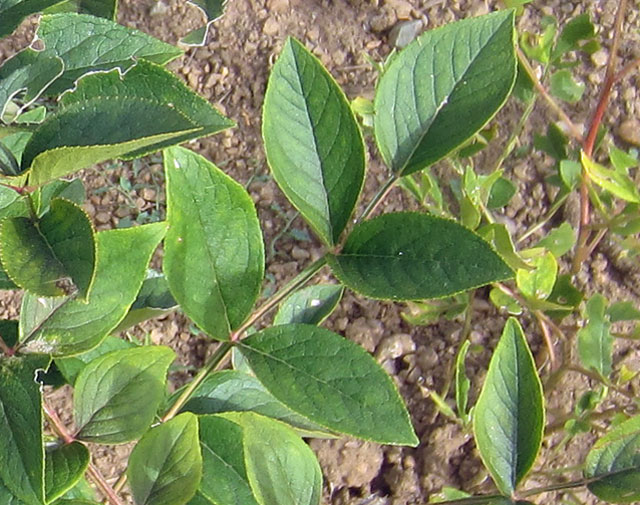 |
| Dittany |
Medieval use: To stimulate appetite
Sage
Medieval use: To treat colds
St John's Wort
Medieval use: To help with burns and bruising
The list of herbs from the medieval era is a long one and there are some great resources for anyone who is interested in learning more about the general subject of medieval gardening. Here is a great example - a medieval herbs list which explains the variety of uses and gives an A-Z of some of the most commonly used herbs from medieval England and France.
Medieval Garden Reading Resources
Medieval Gardens (An introduction to the role of medieval gardens in England and France courtesy of Medieval-Recipes.com)
Plants In Medieval Art (Metropolitan Musem Of Art - The Cloisters Museum and Gardens)
Trees Of Medieval England (Department of Plant Sciences, University of Oxford)
The above resources are just a sample of the wealth of information that exists and has been published to date. There are many more but these particular 3 were chosen because they exemplify the scope of the subject of medieval gardens as a whole. Hopefully, you will find something of interest there :)
Labels: medieval castle, medieval garden, medieval herbs, medieval kitchen
posted by medieval-castle.com at
2:03 PM
|
0 Comments


